

“YATC helped put in perspective how important it is to stay on top of your responsibilities in order to make a better life for yourself.”
Soraya Duchemin, Class of 2023 Graduate
Build your
Skills Toolbox
YATC’s nine-month curriculum includes intensive, hands-on automotive training, academic instruction, life management skills and career preparation.
Design a Road Map for
your future
Since the program was founded in 1984, 90% of YATC graduates remain employed, are furthering their education or serving in the Armed Forces.
Become part of the
YATC Family
YATC’s support does not end at graduation. Alumni are part of a unique community and can receive assistance and mentoring as they navigate new paths to success.
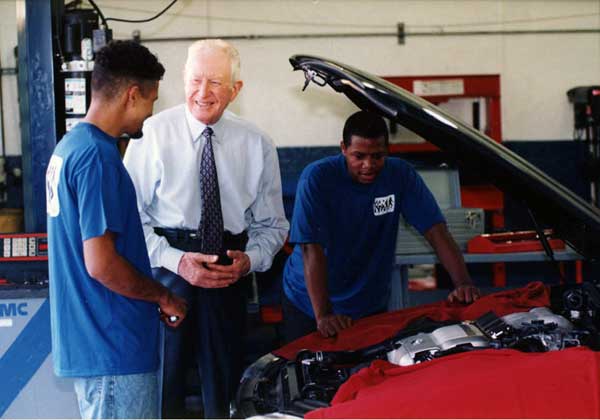
A second chance for a better tomorrow
“I’m inspired by these kids every time I visit the school. They have the ability to succeed in life, but circumstances prevent them from achieving. We give them the break they need. And they know that they can always count on us. If times get tough and they need a hand they know where to call. These kids and their families are always part of our YATC family.”
What is
YATC all about?
Members of YATC’s Class of 2021 talk about the YATC experience and how it changed their lives.
Thank you to
all of our generous donors
All contributions large and small make a huge impact on our program.
Latest posts
A message from the Executive Director April 2024
Dear Friends of YATC: 2024 is a very special year for the Youth Automotive Training Center. We are celebrating our 40th anniversary! I guess the old saying is true, time flies when you are having fun! Seriously four decades of YATC’s unique and targeted program has created an incredible impact. Sometimes we say the program […]
Read moreSpring Car Tracks has arrived!
Check out our latest newsletter … YATC is celebrating 40 years of serving our community, plans for the 2024 YATC Classic are in the works, Cool Wheels coordinators Joe and Mona Aliseo are recgonized and more news from our organization.
Read moreCool Wheels 2024 has been postponed
Dear Cool Wheels fans and friends of YATC, Due to multiple unexpected roadblocks, the 2024 Cool Wheels Car Show will be cancelled. We are sorry for any inconvenience or disappointment this causes. We are committed to putting on a car show at the highest standards for all our fans and everyone in the community. To […]
Read more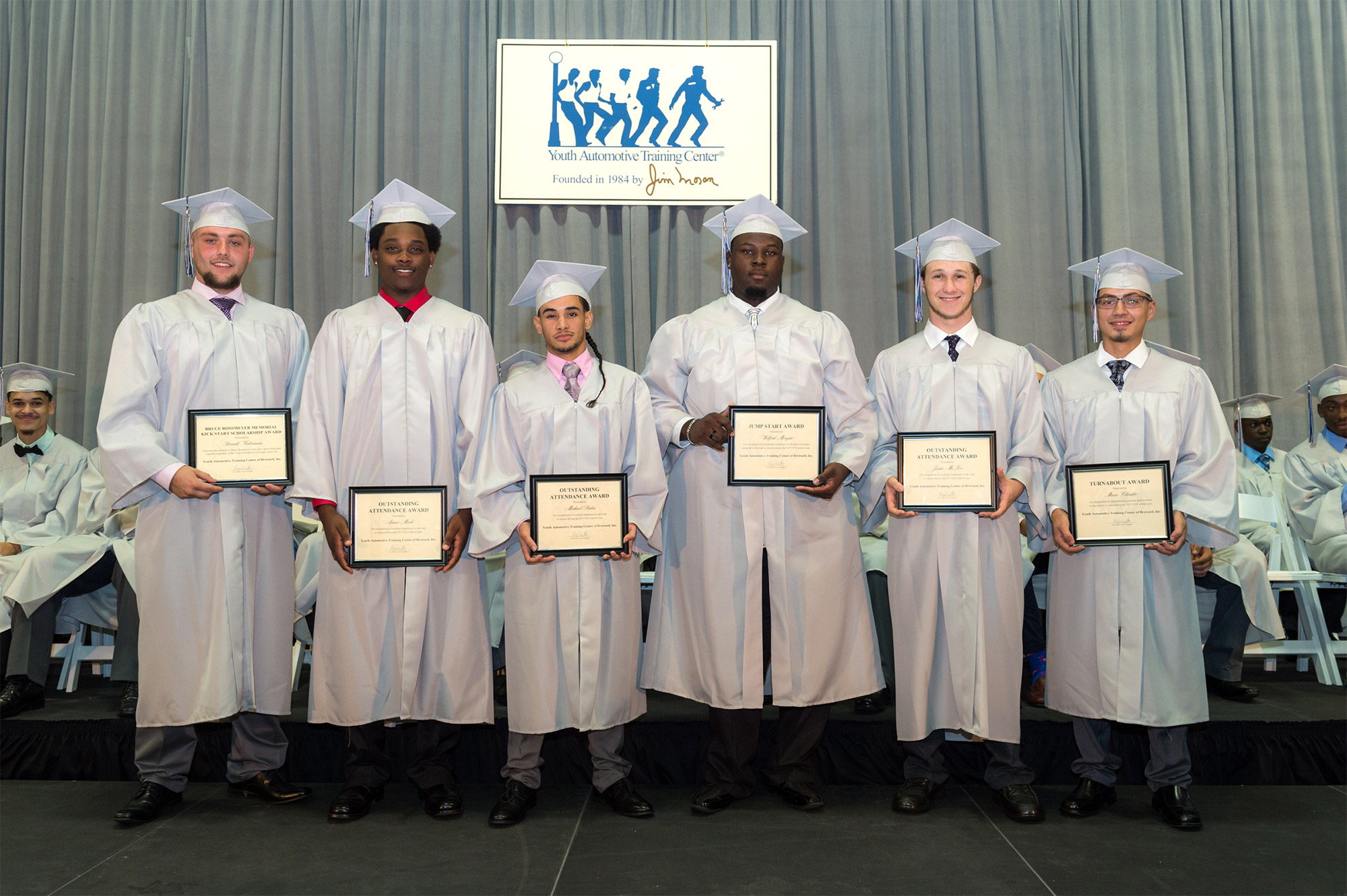
Join our mission! Support YATC today
The mission of the Youth Automotive Training Center is to train and educate at-risk youth in basic automotive repair skills, academic remediation, job readiness and life management skills. The goal of this program is to prepare young adults who are at a disadvantage in their lives to become self-sufficient, productive, law-abiding citizens.
Our program is funded solely through the generosity of friends like you! Please consider how you can support our critical mission to give disadvantaged young people a second chance in life.
Ways to give backSave the date
Cool Wheels Car Show will be Sunday, January 19, 2025 at Quiet Waters Park
January 19, 2025, 10:00 am
Please join us on January 19, 2025 for the 12th Annual YATC Cool Wheels Car Show at Quiet Waters Park, Bald Eagle Shelter, in Deerfield Beach. For questions, please contact (561) 452-3684.
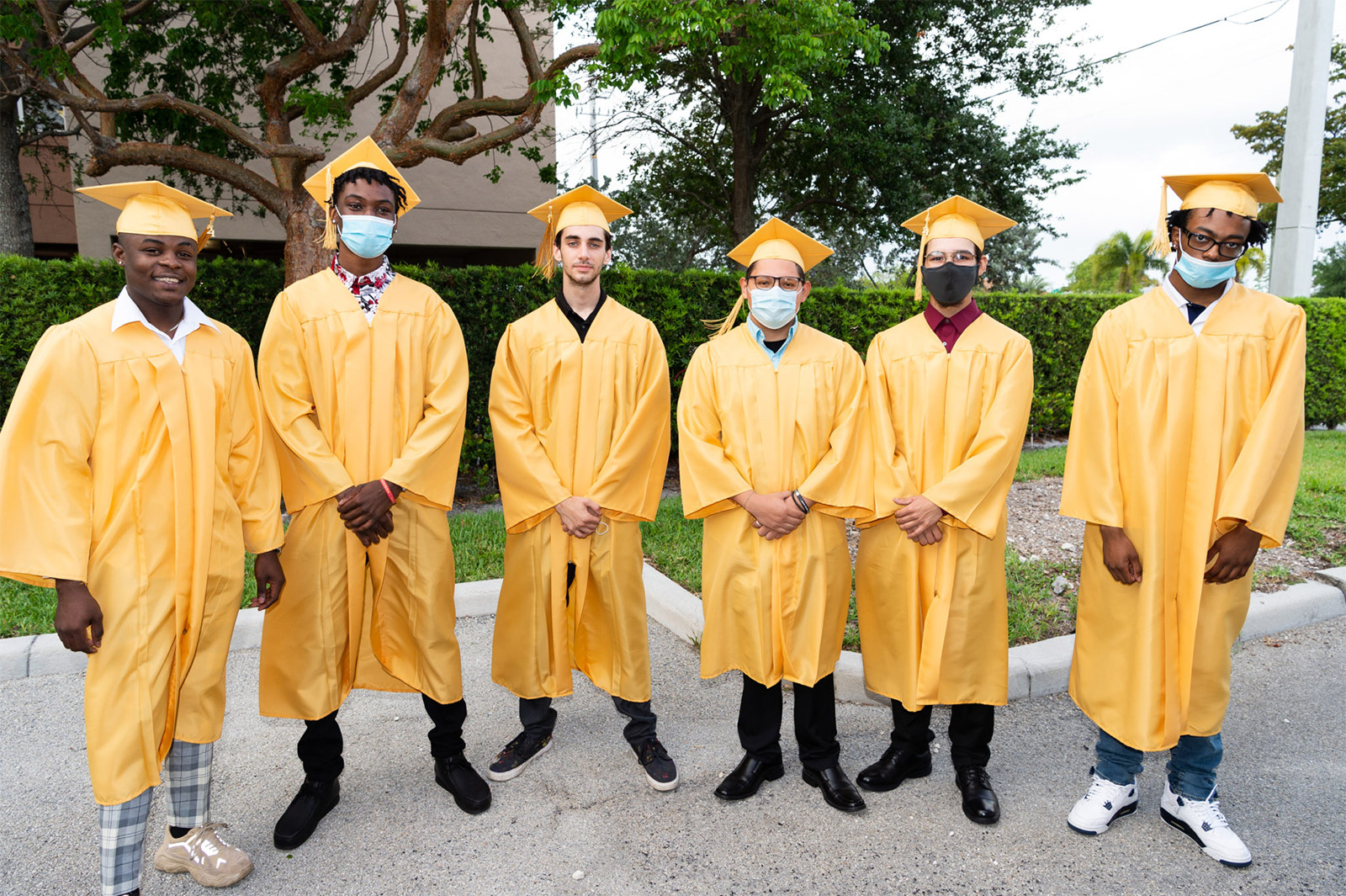
YATC supports a culturally diverse population, welcoming students ages 16-21 of any race, gender identity, nationality, ethnic origin or sexual orientation. YATC’s Non-Discriminatory Policy is:
AS TO STUDENTS
THE YOUTH AUTOMOTIVE TRAINING CENTER OF BROWARD, INC.
399 S.W. Martin Luther King Jr. Avenue
Deerfield Beach, FL 33441
Admits students of any race, color, sex, national and ethnic origin to all the rights, privileges, programs and activities generally accorded or made available to students or the school. It does not discriminate on the bases of race, color, sex, national and ethnic origin in administration of its educational policies, scholarship and other school administered programs.
® 1987 Youth Automotive Training Center of Broward County, Inc. All rights reserved.